10 Exercises to Improve Your Dubbing Performance
Dubbing is a complex art that demands fine mastery of voice, intonation, and emotion to bring a film or series' characters to life. For aspiring voice actors, it's essential to sharpen technique and develop the specific skills needed to meet the varied demands of this captivating craft.
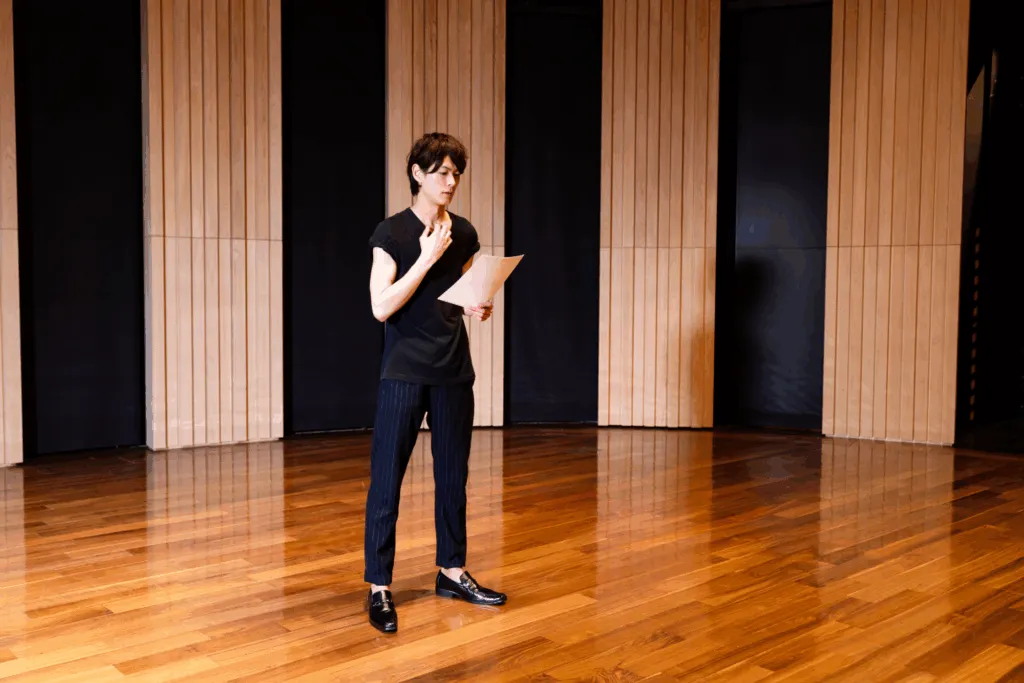
Dubbing is a complex art that demands fine mastery of voice, intonation, and emotion to bring a film or series’ characters to life. For aspiring voice actors, it’s essential to sharpen technique and develop the specific skills needed to meet the varied demands of this captivating craft. In this article, we offer a selection of ten practical, effective exercises designed to improve your dubbing performance. Whether you’re a beginner or a professional looking to perfect your art, these exercises will help you build vocal presence, sharpen your diction, and explore the full range of emotional expression. By working these practices into your daily routine, you’ll not only gain confidence but also prepare to meet the varied challenges the dubbing world presents. We’ll cover techniques ranging from breathing and vocal control to improvisation games and emotion exercises, giving you a full toolkit to enrich your practice. Get ready to dive into the fascinating world of dubbing and discover how these exercises can transform your artistic approach.
Strengthen your diction and articulation.
Improving diction and articulation is essential for any dubbing professional, since these skills directly shape the clarity and emotional impact of a vocal performance. Working on your diction ensures every word is pronounced with precision, which prevents misunderstandings and strengthens the audience’s comprehension. At the same time, sharp articulation brings characters to life, making intonations and emotions more tangible.
To build these skills, it’s crucial to work specific exercises into your practice routine. These exercises should not only target the pronunciation of difficult sounds but also encourage more precise articulatory movement. By adopting varied techniques, such as repeating complex sentences or working through tongue twisters, you can develop the kind of verbal agility that’s essential for mastering the nuances of dialogue. Regular practice will build not only your vocal ease but also your confidence during recording sessions.
Practice intonation with dialogue.
Intonation plays a fundamental role in conveying a character’s emotions and intentions. By practicing with dialogue, performers can grasp how variations in tone reshape the way a line is perceived. By alternating between dramatic and comedic dialogue, dubbing artists can explore the subtleties of intonation, allowing them to adapt to different genres and narrative styles. This immersive approach builds a better understanding of emotional context and interpersonal relationships, enriching their interpretation as a result.
Working with dialogue drawn from a range of scripts also helps develop pacing and speech flow. By rehearsing scenes in pairs or groups, performers sharpen their listening and response skills, developing a more authentic, spontaneous reaction. This not only strengthens their ability to deliver convincing performances but also improves their ease in navigating dynamic exchanges. By regularly building this into their training, dubbing professionals equip themselves to deliver memorable, engaging performances.
Work on vocal rhythm.
Vocal rhythm is a key element of a voice actor’s performance, since it shapes the energy and dynamics of a scene. By playing with pauses, accelerations, and slowdowns, performers can build dramatic tension or create a moment of levity. Analyzing poetic texts or dialogue scenes with varied cadences helps build a better understanding of how rhythm shapes the way a message lands. This exploration helps voice actors master the art of rhythmic modulation, allowing them to adjust their voice to fit the narrative’s needs.
Regular practice with exercises focused on vocal rhythm also builds fluency of expression. By working in role-play and improvisation, performers learn to let go and allow their voice to adapt naturally to the shifts in a text. This lets them respond more instinctively to the emotions being conveyed, while maintaining a tonal consistency that holds the audience’s attention. Ultimately, working on vocal rhythm doesn’t just enrich individual performance — it also helps create an immersive experience for the audience.
Improve expression through emotion.
Expressing emotion is essential for a voice actor, since it brings characters to life and enriches the story. By committing to understanding and feeling the different emotions present in a text, voice actors can go beyond simply reading dialogue aloud. They need to practice diction and tonal-variation exercises that let them convey feelings like joy, sadness, anger, or fear authentically. The key lies in the ability to absorb the emotional context and channel it back through the voice, creating a meaningful connection with the listener.
Staging exercises, including emotional improvisation, are also valuable for developing this skill. They encourage performers to explore a range of nuances and intensities, freeing them from their inhibitions. By practicing instinctive responses to emotional stimuli, voice actors sharpen their technique and sensitivity, which enriches their performance. This lets them not only embody their characters with greater depth but also build a strong emotional connection with the audience, making their performance unforgettable.
Listen to dubbing performances.
Listening to dubbing performances is an essential step toward enriching your own craft. By immersing themselves in the work of professionals, aspiring voice actors can observe how vocal nuance and stylistic choices shape the way characters are perceived. It’s an opportunity to analyze how complex emotions are conveyed through voice alone, without the support of facial expressions or body language. This attentive listening also builds sensitivity to pacing and intonation — crucial elements for capturing the essence of a character.
What’s more, by immersing themselves in a range of performances, artists can identify effective techniques and innovative approaches they can then bring into their own work. This creates a platform for continuous learning, where every performance becomes a source of inspiration. By analyzing the creative choices of others, voice actors can refine their own style while deepening their understanding of narrative dynamics — fundamental to excelling in the field of dubbing.
Train with a variety of texts.
Practicing with a variety of texts is a fundamental pillar for broadening a voice actor’s skill set. By working across different styles of text — whether dramatic dialogue, comedy, narration, or advertising copy — performers develop vocal flexibility and the ability to adapt to a range of situations. This diversity not only builds mastery of the language’s different nuances but also lets performers explore the emotions and intentions behind each type of text, strengthening their ability to embody complex characters.
Training with varied texts also encourages experimentation and creativity. Voice actors are pushed to play with their voice, trying out different tones, rhythms, and accents, which enriches their artistic range. This approach also helps them refine their technique, identify their strengths, and improve the areas that need more work. As a result, practicing with a wide range of material becomes an invaluable strategy for anyone aiming to excel in dubbing.
Build your improvisation skills.
Improvisation is an essential skill that lets voice actors respond authentically and spontaneously to unexpected situations. By developing this ability, voice performers learn to listen closely to their scene partners and adjust in real time, creating a more natural, engaging dynamic. Regular practice with improvisation exercises also builds greater self-confidence, freeing voice actors from the constraints of a scripted text and letting them explore new interpretations and emotions.
By working improvisation into their training, voice actors deepen their understanding of characters and context. This lets them not only bring roles to life more convincingly but also develop their own artistic style. The fluidity and creativity that come from improvisation are crucial for capturing an audience’s attention, making every performance unique and memorable.
Explore different character styles.
The diversity of character styles gives voice actors a unique opportunity to immerse themselves in varied worlds and sharpen their ability to convey authentic emotion. By exploring archetypes ranging from the fearless hero to the complex antagonist, voice performers can experiment with vocal nuance and interpretive techniques suited to each role. This exploration not only strengthens vocal flexibility but also broadens the emotional range essential for bringing characters to life in a memorable, impactful way.
By practicing different character styles, voice actors come to understand how cultural and psychological context shapes a role’s personality. A comedic character, for instance, calls for a different approach than a dramatic one. This ability to adapt vocal performance to a character’s specific traits helps create richer, more nuanced performances. Ultimately, this kind of diverse exploration is key for any voice actor looking to stand out in a field as competitive as dubbing.
Collaborate with other young artists.
Working with other young artists is a valuable opportunity to enrich your own range and explore new techniques. Collaboration allows for the exchange of creative ideas and experimentation with different styles, which can lead to surprising discoveries in performance. By sharing constructive feedback, each artist can sharpen their critical judgment and their sensitivity to the nuances of vocal performance, strengthening their ability to collaborate effectively in creative environments.
What’s more, interacting with other artists builds a network of support and motivation. Surrounded by ambitious peers, each performer is pushed to go further and take on challenges together. This spirit of artistic emulation not only fuels individual creativity but also creates a group dynamic that can lead to innovative projects and memorable performances. Regular exchanges ultimately help build a supportive community — essential for growing in the competitive world of dubbing.
Get regular, constructive feedback.
Bringing constructive feedback into the creative process is essential for the growth of any artist, particularly in dubbing. This feedback, whether it comes from colleagues or experienced professionals, offers an outside perspective that can highlight aspects of a vocal performance that often go unnoticed. By staying open to this input, an artist can identify their strengths and the areas that need work, allowing for real progress.
Getting constructive feedback regularly helps create an environment of continuous learning. By seeking frequent input, an artist gets used to the idea that perfection is a moving target, not a fixed one. This approach not only fuels personal growth but also builds self-confidence, as the artist learns to navigate feedback with discernment and turn it into concrete steps for their own development. This iterative process is a fundamental pillar for excelling in the art of dubbing.
In conclusion, the path to mastering the art of dubbing is both demanding and rewarding, and the ten exercises presented in this article are valuable tools for anyone looking to improve their dubbing skills. By working these techniques into your regular training routine, you’ll build a wider vocal range, sharpen your emotional expression, and refine your ability to deliver lines with authenticity. Remember that regular practice is the key to progress in this field, and that with dedication and persistence, you can take your performances to new heights. Embrace this process and let each exercise open the way to continued success in the dynamic world of dubbing.