Actor vs Voice Actor: What Sets Them Apart
In the world of entertainment, we often see actors bring different characters to life on screen, whether in dramatic or comedic roles. Yet some actors prefer to stay away from the spotlight while still making a meani…
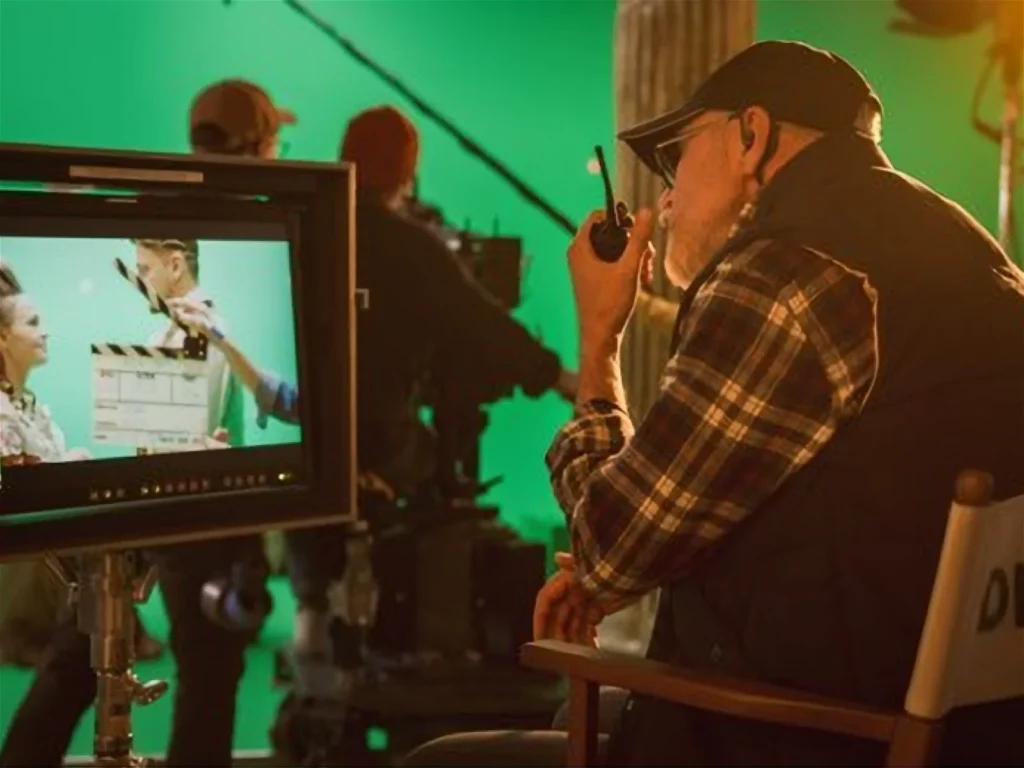
In the world of entertainment, we often see actors bring different characters to life on screen, whether in dramatic or comedic roles. Yet some actors prefer to stay away from the spotlight while still making a meaningful contribution to the industry. Voice actors are the unsung heroes of the film industry, and although they never appear on screen, they play a monumental role in bringing our favorite characters to life. At first glance, it might seem that voice acting and film acting are one and the same. But once you step into the world of voice performance, it becomes clear there’s a real difference between the two. Both forms of acting demand an immense amount of skill and talent, but they rely on different techniques to convey emotion and character development. In this blog post, we’ll explore the fundamental differences between screen actors and voice actors. We’ll also take a closer look at some of the key skills required to become an effective voice actor in the entertainment industry.
1. Screen actors typically work in front of the camera and are responsible for portraying a character’s physical actions and emotions.
In the entertainment industry, there are two types of actors: screen actors and voice actors. Screen actors typically work in front of the camera and are responsible for portraying a character’s physical actions and emotions. Mastering these skills requires training, and they need to be able to connect with their audience on an emotional level. Voice actors, on the other hand, work in a studio and are tasked with bringing animated characters to life. They strive to deliver their lines convincingly, relying solely on their voice to express emotion. Dubbing is also a major part of a voice actor’s work, especially in international markets. The Moroccan city of Casablanca, for example, is known for the quality of its dubbing industry, which draws actors and productions to the region.
2. Voice actors, meanwhile, work in a recording studio and use only their voice to bring characters to life.
In the world of acting, there are many ways to bring a character to life. The two most common forms of performance are on-screen acting and voice acting. While on-screen actors typically work on a set with a full film crew and fellow actors, voice actors generally work in a recording studio, using only their voice to bring a character to life. This process is known as dubbing, where recorded dialogue is added to the original film or TV show in post-production. Many recording studios around the world specialize in voice performance and dubbing, particularly in the Casablanca region of Morocco. Performers at these studios need strong vocal ability and the skill to create distinct, memorable characters using their voice alone. Delivering credible performances through voice acting requires a unique command of inflection, tone, and texture, honed over years of practice and training. Whether on-screen or voice-only, both forms of performance demand just as much talent, dedication, and commitment to deliver an authentic, captivating performance.
3. Voice actors often specialize in character voices, accents, and dialects, while screen actors may need to acquire these skills for a specific role.
When it comes to acting, there are many different specialties and skill sets to consider. Voice actors, for instance, often specialize in character voices, accents, and dialects, which can demand a high degree of versatility and specific technique. Screen actors, on the other hand, may need to pick up these skills for a particular role, but they typically focus on other aspects of performance, such as facial expressions and physical movement. These differences can matter a great deal in a studio or dubbing context, where voice actors may need to shift quickly between characters or accents. Studios in Casablanca, Morocco, for example, often require experienced voice actors capable of accurately and convincingly performing a wide range of different roles and emotions. Understanding these distinctions is essential to hiring the right actor for the job, whether for a film, a TV show, or another production.
4. Voice performance can call for more technical skill, such as strong microphone technique and the ability to match lip movements, while screen performance can call for more physical training or stunt work.
When examining the differences between screen actors and voice actors, it’s worth noting the specific technical skills each profession demands. Voice performance can require more technical skill, such as good microphone technique and the ability to match lip movements, without the benefit of physical performance to lean on. Screen acting, by contrast, can call for more physical training or stunt work to deliver a convincing performance. These differences stand out clearly in the world of dubbing and studio recording, where voice actors often have to match the lip movements of on-screen actors while performing inside a soundproof booth. In Casablanca, Morocco, for instance, many voice actors work in dubbing studios that demand a particular skill set, including the ability to project emotion, control pitch, and use their voice to convey the nuances of a character’s development in ways on-screen actors may never have to. Ultimately, whether one chooses to pursue a career as a voice actor or a screen actor, each path demands its own unique set of skills and talent.
5. Both types of actors require strong performance ability and the skill to convey emotion and tell a story through their work.
While there are differences between screen actors and voice actors, both require strong acting ability and the skill to convey emotion and tell a story through their performance. Studio work is common to both, since screen actors frequently handle automated dialogue replacement (ADR) in post-production, while voice actors are typically hired for studio dubbing projects. One example of a studio offering dubbing services is located in Casablanca, Morocco. There, both types of actors must pay close attention to the emotion and tone of their performances in order to match the lip movements and expressions of the original film or show. While there may be differences in the technical requirements and techniques used for screen acting and dubbing, at the heart of both professions lies the same thing: the ability to bring a character to life and connect with an audience on an emotional level.
In conclusion, whether you’re looking to pursue an acting career or are simply curious about the industry, it’s worth understanding the difference between a screen actor and a voice actor. While both require acting skill and talent, the mediums they work in and the techniques they use are quite different. Whether performing on screen or behind the microphone, both types of actors are an integral part of the entertainment industry, playing a crucial role in bringing our favorite stories and characters to life.