Mastering the Art of Film Editing
Editing a film is demanding work that calls for solid technical knowledge and a creative eye. It's the editor's job to bring a director's vision to life, and doing that well requires…
Editing a film is demanding work that calls for solid technical knowledge and a creative eye. It’s the editor’s job to bring a director’s vision to life, and doing that well requires real attention and skill to ensure the finished film is of the highest quality. Whether you’re looking to advance your career as a professional video editor, or you’re just starting out and want to learn the basics of film editing, this article is for you. In this post, we’ll cover the key elements of successful film editing. We’ll look at why understanding the director’s vision matters, why maintaining a consistent aesthetic is essential, why building a deep technical understanding of editing software pays off, and how creative problem-solving can carry you through the toughest editing situations. By the end, you’ll have the knowledge and tools you need to become a true editing pro.
1. Understand the director’s vision
Before starting to edit a film, it’s absolutely essential to research the director’s vision and intentions. Looking into the director’s body of work can help you understand their style, storytelling techniques, and editing preferences. Getting to know the director’s vision through research is critical to successful editing — it helps you create a product that meets the director’s expectations and, more importantly, conveys the message they want to send. Working closely with the director to make sure you’re on the same page is also an excellent way to keep that vision shared throughout the process.
2. Get to know your editing software
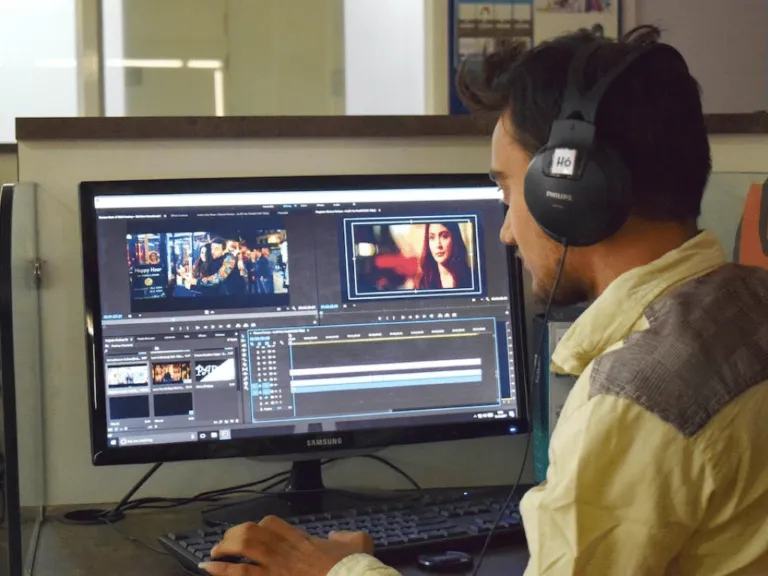
Video editing is a core part of making a successful film. Without it, a film would just be a jumble of scenes with no sense or flow. To avoid that, get comfortable with editing software. There are plenty of options, from free programs like iMovie to full-featured suites like Adobe Premiere Pro. Take the time to explore each program’s features to find the one that best suits your project. Knowing your software inside and out will help enormously during the editing process and make it much easier to produce a polished film.
3. Organize your footage into sequences
Once you’ve finished capturing your footage, it’s time to organize your clips into meaningful sequences. Breaking your footage down into sequences makes it far easier to organize and navigate your film. It also gives you a clearer sense of the overall structure and flow, which helps you make better-informed decisions once you start editing. When organizing your sequences, keep in mind the story your film is trying to tell and the emotional journey it takes the audience on.
4. Use sound and music to enhance the picture
One of the essential ingredients of a successful film edit is using sound and music to enhance the image. Music is an incredibly powerful tool for conveying emotion and building atmosphere, while sound effects can add depth and realism to your scenes. There are several ways to bring sound and music into your edit: you can use a royalty-free music track from a library, or create your own custom score. You can also add sound effects tied to the scene or the video’s overall theme. Used well, sound and music create immersive, captivating experiences for the viewer.
5. Review the film once editing is complete
Once you’ve finished the entire editing process, it’s important to watch the film again from start to finish. This ensures every change you made holds up and that the film still stays true to your original vision. It’s also a chance to do a quick quality check, making sure the video is clean and free of technical issues or glitches. Watching the film again after editing is also a great way to confirm that the pacing and feel haven’t been thrown off by the editing process.
In conclusion, successful film editing takes a lot of practice, patience, and discipline. Knowing the fundamentals of video editing — timing, cutting, and transitions — will absolutely help you produce a high-quality film. It’s also important to use the right equipment and software to help you refine and polish your film until you’re satisfied with the result. With a bit of knowledge and practice, you can be confident in creating an excellent video for your next film project.