Understanding the Impact of Sound in Film
Sound plays a huge role in building the right atmosphere, mood, and emotion in film. When sound design falls short, audiences can lose interest in the film entirely. Filmmakers rely on modern techniques to get the best possible sound quality. This article looks at those methods and why a strong sonic atmosphere matters so much to the final result.
Sound plays a huge role in building the right atmosphere, mood, and emotion in film. When sound design falls short, audiences can lose interest in the film entirely. Filmmakers rely on modern techniques to get the best possible sound quality. This article looks at those methods and why a strong sonic atmosphere matters so much to the final result. To create a compelling cinematic experience, sound design plays an essential role. Sound is used to stir emotion and build an atmosphere the audience can connect with. It enhances the visual experience and helps the audience relate more deeply to the characters, the setting, and the story. That’s why it’s essential to make sure sound is a deliberate part of the film, not an afterthought.
1. What are the most creative ways to enhance sound in post-production?
The equalizer is one of the most effective creative tools for enhancing sound in post-production. Another way to bring creativity into the process is using reverb and delay effects to add a sense of space and depth. Automation can also be used to build dynamic soundscapes that move with the picture. Finally, creative use of sound design and Foley helps craft a unique, engaging sonic landscape. All of these techniques can be combined to enhance sound in post-production and create a listening experience that showcases the visuals at their best.
2. How do sound mixers manipulate the frequency spectrum to achieve optimal sound?
Sound mixers manipulate the frequency spectrum to achieve optimal sound by adjusting controls to boost or reduce certain frequencies. This process is known as equalization and can be used to bring out certain sonic elements while suppressing others. Mixers can use high-pass filters to cut low frequencies and let high-frequency clarity come through. They can also use shelving EQs to raise or lower the overall level of a frequency range. Finally, mixers can apply a parametric EQ to boost or cut individual frequencies within a range. Used correctly, these techniques let mixers shape the exact sonic character they want for a track.
3. Are there tricks for manipulating sound to give it an extra layer of realism?
Manipulating sound is an excellent way to produce audio content that feels realistic and highly engaging. Audio professionals use a range of techniques, such as layering in effects, to make sound feel more natural. It’s also important to consider the context of the audio, since different sounds can be more effective in different settings. When manipulating sound, it’s equally important to experiment with different settings and levels to achieve the desired result. With the right tools and techniques, it’s possible to create sound that’s both realistic and genuinely engaging for an audience.
4. How can we use sound to make a scene more immersive and emotionally engaging?
Sound design is essential to any production. Specialized techniques are used to generate sounds that don’t exist in nature. Synthesizers are employed to produce electronic sounds and build atmosphere, while Foley is used to recreate the sound of everyday objects. Musical instruments can also be used to build soundscapes, and audio manipulations such as pitch shifting and time stretching can be applied to existing sounds. By combining these methods, sound designers can create original effects that don’t exist in nature. With the right creative approach, sound designers can produce entirely original, hyperrealistic effects.
5. How can we use sound to make a scene more immersive and emotionally engaging?
Sound is a valuable tool for creating an immersive, emotionally engaging scene. The use of sound can help build atmosphere and shape how the audience feels. Music can help set the mood, while sound effects add realism to a scene and give the environment a tactile quality. Dialogue creates a sense of connection to a character and lets the audience relate to them. Ambient sound, meanwhile, can help establish a sense of place and transport viewers to a different time and space. Used together, sound can create a powerful, lasting experience for the audience.
6. What new technologies are making sound production easier and more efficient?
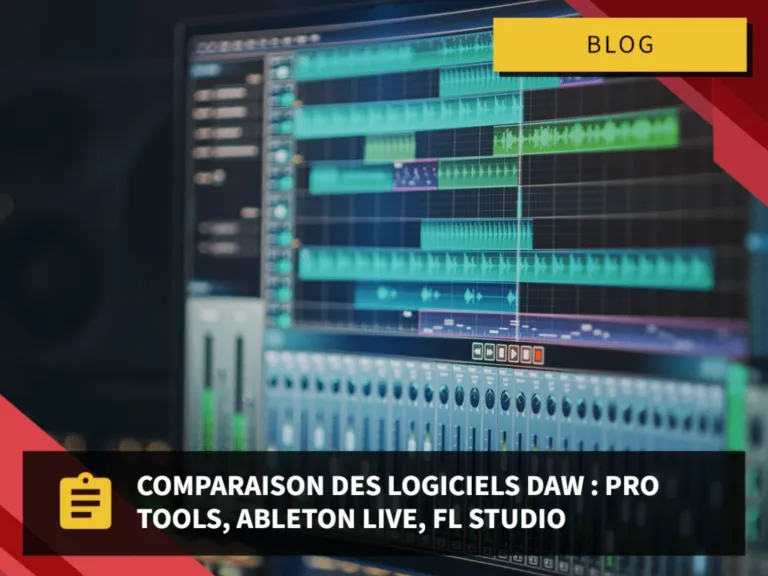
Users rely on digital audio workstations (DAWs) to record and mix sound from a wide range of sources, and they use plugins such as equalizers, compressors, and reverbs to enhance sound quality — making sound production faster and more efficient in the digital age. Virtual instruments and samplers are also useful for building soundscapes and recreating acoustic instruments. In addition, advances in audio restoration software have made it possible for engineers to repair and remaster sound in post-production. Thanks to these new technologies, sound production has become more efficient and streamlined, letting producers and engineers create professional-quality sound quickly and easily.
7. What are the most innovative methods for recording and mixing sound on set?
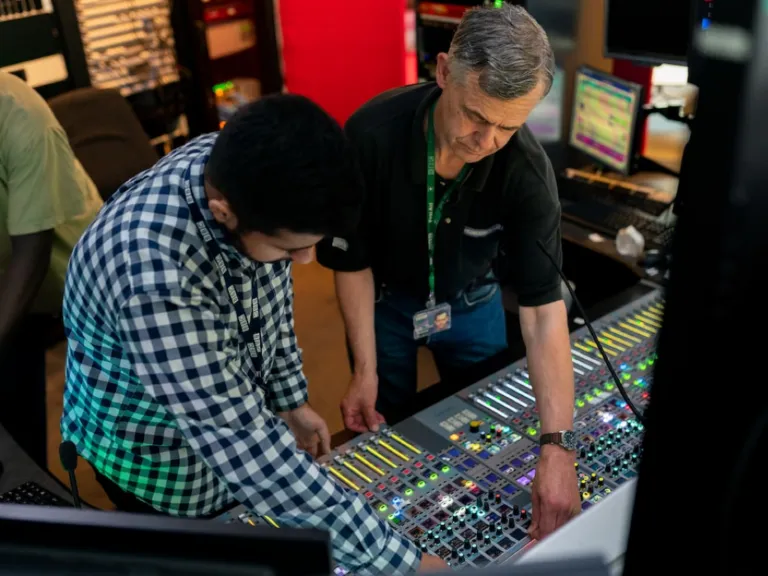
Recording and mixing sound on set is a critical part of any production. Advances in technology have multiplied the possibilities for innovative sound recording and mixing methods. One increasingly popular innovation is the use of digital audio workstations (DAWs). DAWs make it possible to record, edit, and mix various sound sources in a digital environment, giving directors greater control over their production’s sonic environment. There’s also been a rise in the use of software- and hardware-based surround sound systems, which give audiences a truly immersive experience. Smaller productions and location shoots can rely on portable audio recorders and mixers to capture high-quality sound on set with minimal equipment, making them an ideal tool.
8. What techniques are used to make the most of a limited sound budget?
When working with a limited sound budget, several techniques can help make the most of the available resources. One is prioritizing quality over quantity — recording fewer sound sources, but ones with better quality and a wider dynamic range. Another approach is layering sounds, combining multiple audio elements to build a fuller, more immersive soundscape. A sound designer can also make the most of available resources by using reverb, delay, and sound effects to simulate a larger space when the physical space isn’t available, giving the sound a more polished, professional feel — resulting in a high-quality soundscape even on a tight budget.
9. What techniques can be used to keep sound consistent throughout a production?
To ensure consistent sound throughout a production, create and stick to a detailed sound design plan. It also helps to use the same audio and video equipment throughout the shoot. Monitor and adjust sound levels consistently to avoid inconsistencies caused by different equipment. Finally, run a sound mixing session to check for any inconsistencies or issues and make the necessary adjustments. By following these techniques, a production team can ensure sound stays consistent from start to finish.
10. How can we use sound to create a unique atmosphere in a given scene?
Sound is a powerful tool for creating a unique atmosphere in a scene. Through sound, a director can build tension, evoke an emotional response, and create an immersive environment. For example, a ticking clock can heighten tension in a scene, while a somber musical score can stir an emotional response in the audience. A director can combine sonic elements such as ambient noise to make the audience feel part of the scene, creating a unique and captivating atmosphere. With careful thought and planning, sound can be used to craft a distinctive atmosphere in any scene.
In conclusion, sound design is an essential part of every successful film. It can add depth and emotion to the storytelling, build tension and suspense, and create atmosphere and mood. Professionals use a variety of techniques and approaches to make sure a film’s sound design is as powerful and effective as possible. It’s a subtle yet important component of filmmaking — one that can make an enormous difference to the overall quality of the film.