Finding the Sweet Spot: The Art of Microphone Distance in a Dubbing Studio
Dubbing is an essential part of any film production. It's the technique used to replace the original voices of audiovisual content with another language. Dubbing is needed for…
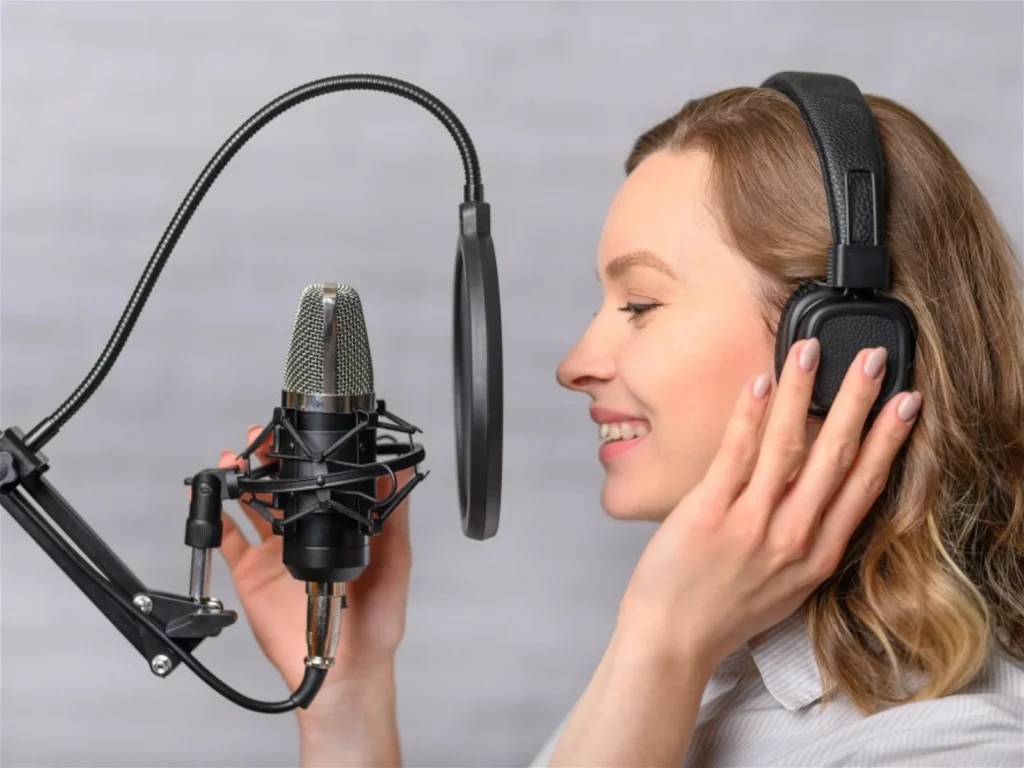
Dubbing is an essential part of any film production. It’s the technique used to replace the original voices of audiovisual content with another language. Dubbing is needed for films, TV series, documentaries, commercials, and many other types of content, to make them more accessible and appealing to audiences in different regions of the world. A key part of the dubbing process is getting the positioning and distance right between the microphone and the voice actor. Sound engineers and voice actors both need to know the correct distance to guarantee a high-quality audio output. The distance between the microphone and the film dubbing actor is essential for producing clear, precise dialogue that matches the lip movements of the original content. Commonly known as “mic technique,” optimal microphone placement matters for delivering top-level sound quality. That said, it varies depending on the type of microphone used and how the voice actor projects their voice.
1. Accounting for the direction of the sound source
A crucial factor in achieving quality dubbing for a film is accounting for the direction of the sound source relative to the microphone and the actor. Correct placement of the microphone and the actor plays a key role in capturing clear, natural sound. As a general rule, the distance between the microphone and the actor should be determined based on the intensity of the actor’s voice, the level of background noise, and the acoustic properties of the recording studio. To make sure the direction of the sound source is properly accounted for, the microphone should be placed in a fixed position directly facing the actor. The actor, in turn, should be positioned at a distance that lets them perform comfortably — not so far from the microphone that clarity suffers, and not so close that it degrades sound quality. By paying attention to these details, dubbing studios can ensure their final product is high quality and stays true to the original intent of the film.
2. Setting the recording level
One of the key factors in achieving high-quality dubbing recordings is setting the microphone’s recording level correctly. This means finding the optimal balance between input and output levels to ensure the voice is captured accurately, without distortion or unwanted noise. In a dubbing studio, it’s essential to maintain a consistent distance between the microphone and the actor throughout the recording session in order to preserve a steady recording level. This distance can vary depending on how much the actor projects their voice and how sensitive the microphone is. A professional sound engineer will adjust the recording level accordingly to ensure the final recording is the best quality possible. Attention to detail in setting the recording level can make a significant difference to the final outcome of the dubbing process, ensuring the actor’s performance is captured in its purest form, free of unwanted artifacts.
3. Adjusting room acoustics
When setting up a dubbing studio, it’s important to consider the acoustics of the room where recording will take place. Proper control of sound waves and reflections is essential for achieving high-quality audio recordings, particularly for film and television dubbing. One of the most important factors here is the distance between the microphone and the voice actor. While the optimal distance can vary depending on the type of microphone used and the physical properties of the studio, it’s generally recommended to keep the microphone about 30 to 40 cm from the actor’s mouth. This distance helps capture the natural tone of the voice, reduce background noise, and avoid plosives. It’s also important to consider the room’s dimensions, layout, and the materials used in its construction and design, to ensure proper sound diffusion, absorption, and reflection. A well-designed, properly calibrated room helps create a comfortable and efficient environment, allowing the sound engineer to focus on achieving the best possible sound quality.
4. Ensuring good vocal quality
When it comes to recording voice-overs in a dubbing studio, ensuring vocal quality is essential. One factor that can significantly impact vocal quality is the distance between the microphone and the actor. As a general rule, the distance should be large enough to avoid unwanted noise or breathing sounds, yet close enough to capture every nuance of the actor’s voice. The recommended distance varies by microphone type, but it’s generally between 6 and 12 inches. It’s also important for the microphone to be positioned at the right angle to accurately capture the actor’s voice. By following these guidelines, you can ensure voice-over recordings are of excellent quality and suitable for use in film dubbing.
5. Checking the final dubbed track
In the film dubbing process, checking the final track is essential for achieving a consistent, high-quality end product. This includes making sure the final track is free of any issues, such as distorted or muffled sound, and that volume levels are consistent. A key aspect of checking the final track is the distance between the microphone and the film dubbing actor in the studio. It’s important to maintain a consistent distance to guarantee steady sound quality and levels throughout the performance. Specifically, experts recommend keeping a distance of four to six inches between the microphone and the actor’s mouth to achieve the best possible results. Another important part of this process is reviewing the final dubbed track, which involves creating a duplicate of the final track and layering it over the original to improve overall sound quality. By following these techniques, dubbing studios can meet the highest possible production standards and produce films that captivate and entertain audiences while maintaining consistent sound quality.
In conclusion, the distance between the microphone and the film dubbing actor in a dubbing studio is a critical part of the dubbing process. There are specific guidelines and standards to follow in order to achieve high-quality dubbing results. Maintaining the proper distance ensures the captured sound is clear, consistent, and strong enough for the voice-over performance to feel natural and in sync with the original audio. By taking the time to understand and apply the right distancing techniques, dubbing studios can deliver professional, high-quality results that meet the expectations of both their clients and their audience.