Video Game Dubbing in Morocco: An Industry on the Rise?
The video game market is growing exponentially worldwide, and Morocco is no exception. Video game dubbing, in particular, holds considerable potential for local talent…
The video game market is growing exponentially worldwide, and Morocco is no exception. Video game dubbing, in particular, holds considerable potential for local talent. More and more Moroccan gamers prefer to play in their native language, driving demand for French and English dubbing. Let’s take a closer look at the opportunities and challenges in this fast-growing industry.
A market on the rise
Morocco’s video game market is steadily expanding. According to recent studies, the number of gamers is growing every year, particularly among young people. This momentum creates fertile ground for the development of the video game dubbing industry. Publishers understand how important it is to localize their products to capture consumer interest and enrich the gaming experience.
Opportunities for dubbing studios
Video game dubbing calls for a particular kind of expertise. Unlike films and series, video games often involve interactive dialogue, multiple choice paths, and open-world environments. Moroccan dubbing studios can seize this opportunity by developing skills specific to video game dubbing, such as motion capture, interactivity, and synchronization with action sequences.
Creating video games localized in French and English can open doors to international collaborations with developers and publishers looking to expand into the Middle East and North Africa. Moroccan talent — voice actors, sound editors, and translators alike — has a crucial role to play in this process.
Training voice actors
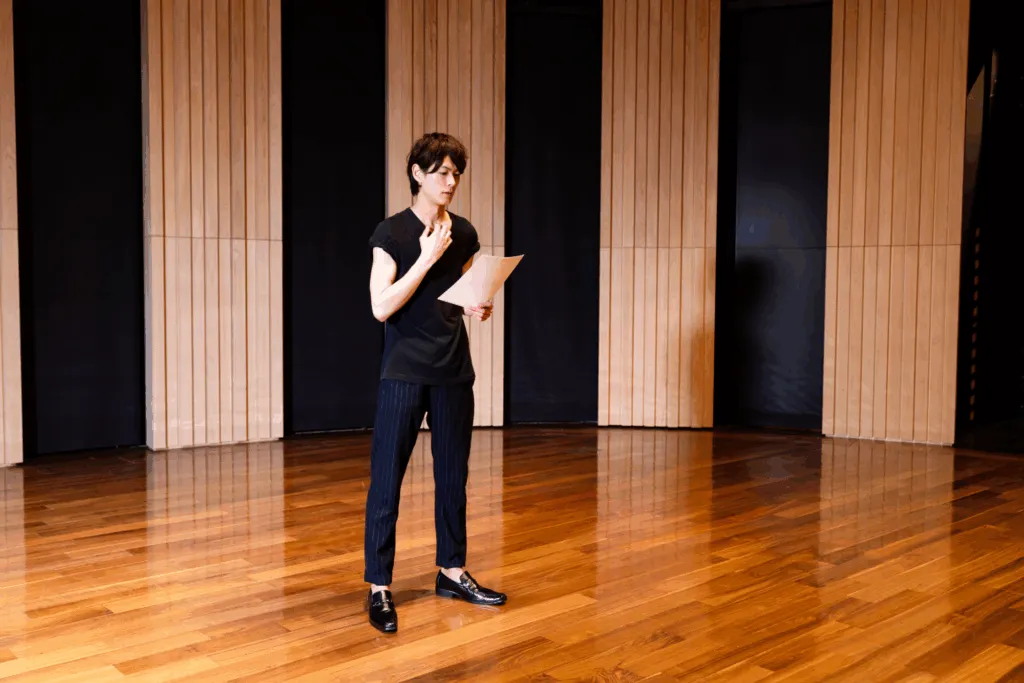
Video game dubbing demands a unique kind of vocal performance. Characters need to feel alive, believable, and perfectly matched to the game’s universe. Voice actors must be able to convey a wide range of emotions, from excitement to fear to anger and sadness, often within interactive dialogue.
Voice actor training should include techniques specific to video game dubbing, such as recording isolated lines (rather than continuous dialogue), understanding gameplay context, and adapting to interactive dynamics. Specialized workshops and training programs could help build these skills.
The technical challenges
Video game dubbing comes with significant technical challenges. Studios need state-of-the-art equipment to capture high-quality audio recordings and to ensure voices are perfectly synchronized with character animations and movements.
What’s more, modern video games increasingly rely on motion capture and advanced technologies that require close coordination between voice actors and technical teams. Moroccan dubbing studios need to stay current with technological advances and invest in the right equipment to remain competitive.
Growing demand for localization
Localizing video games into French and English is a growing trend. Many video game publishers recognize how important localization is for boosting sales and improving player engagement. As a cultural and linguistic crossroads, Morocco is well positioned to meet this demand.
Conclusion
Video game dubbing in Morocco represents a promising industry for the future, offering numerous opportunities for local talent. By investing in specialized skills, technical equipment, and voice actor training, Moroccan dubbing studios can position themselves as key players in the video game localization market. As the industry continues to grow, Morocco has all the potential to become a regional hub for video game dubbing, enriching the gaming experience for local players and attracting international collaborations.