How Audiovisual Media Use Lighting Strategically
Shadow and light play a crucial role in every broadcast medium, from film to advertising to music videos. They can add depth, build atmosphere, and help tell a story…
Shadow and light play a crucial role in every broadcast medium, from film to advertising to music videos. They can add depth, build atmosphere, and help tell a story. The strategic use of light and shadow can make or break a narrative. It can create mood, evoke emotion, and guide the viewer through the story being told. To achieve this, a professional needs to understand the technical nature of light and shadow, and know how to use the right equipment to control them. Knowing when to use flags, reflectors, diffusers, and other related gear is essential in professional audiovisual production. In this blog post, we’ll explore the concept of light and shadow in audiovisual media and how the strategic use of this equipment helps build an effective narrative.
1. Understanding How Lighting Affects a Subject
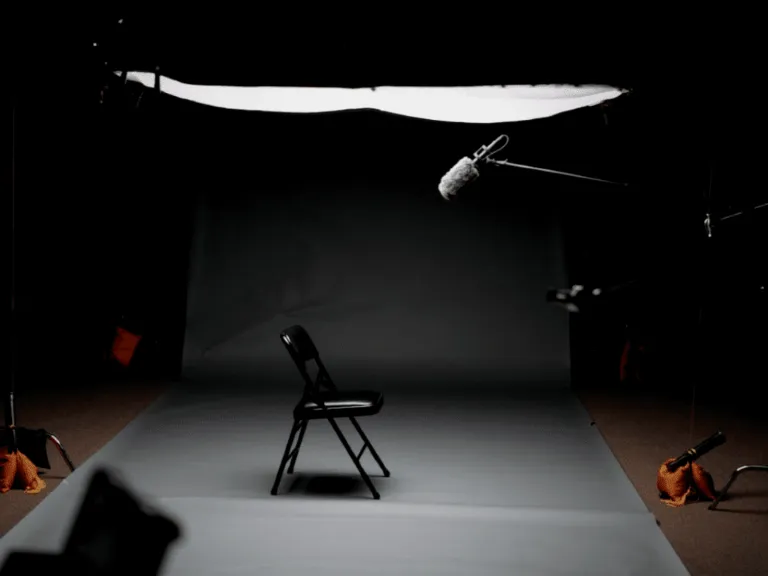
Knowing how lighting affects a subject is essential to building a powerful narrative in audiovisual media. By understanding how light moves through a space, you can manipulate it to produce the desired effect. This may involve using flags, reflectors, diffusers, and other related equipment to create shadows where needed and direct light in a way that highlights the subject and the emotion of the scene. Lighting is a valuable tool for building effective storytelling, so understanding how to use it strategically is essential.
2. Using Flags to Reduce Glare
When it comes to controlling light and shadow on set, one of the most important pieces of equipment to consider is the flag. These are materials that absorb certain light frequencies and reduce unwanted reflections, helping to shape the overall look of the scene. Cinefoil, blackwrap, and duvetyne are all examples of flags commonly used in audiovisual media. When using flags, it’s important to place them at the right positions and angles relative to the scene to achieve the desired result.
3. Controlling Light Intensity with Reflectors
Reflectors are an important tool for controlling light intensity in audiovisual media. By properly positioning a reflector, a lighting technician can direct light where it’s needed, boost light intensity, and even reduce it. Reflectors also let the technician direct light with precision, making it possible to create the desired effects and set the right mood. In addition, reflectors can be used to deepen shadows and create depth, adding an extra dimension to the scene.
4. Using Diffusers to Soften Shadows
Diffusers are an important tool for softening shadows, creating even light without hard edges. They can be used to change the direction of light, alter its intensity, or reduce glare. Diffusers can be made from a variety of materials, including translucent paper, fabric, or plastic, and are usually placed in front of a light source to scatter its rays. Diffusers are also useful for reducing shadows and can be used to create a softer, more natural look.
5. Choosing the Right Type of Lighting Fixtures
When it comes to lighting fixtures, there’s a wide variety of types to consider. From incandescent bulbs to fluorescent and LED fixtures, you need to choose the type that best suits your production needs. Depending on your budget and the effect you’re after, you might opt for low-wattage incandescent bulbs, which give off a warmer, softer light, or fluorescent fixtures, which are energy-efficient and produce bright, even light. LED fixtures, while more expensive, deliver a beautiful natural light that can be adjusted to different color temperatures. Whatever type of lighting fixture you choose, proper placement along with the use of reflectors, flags, and diffusers will help you create the effect you’re after.
6. Creating Depth with Shadows
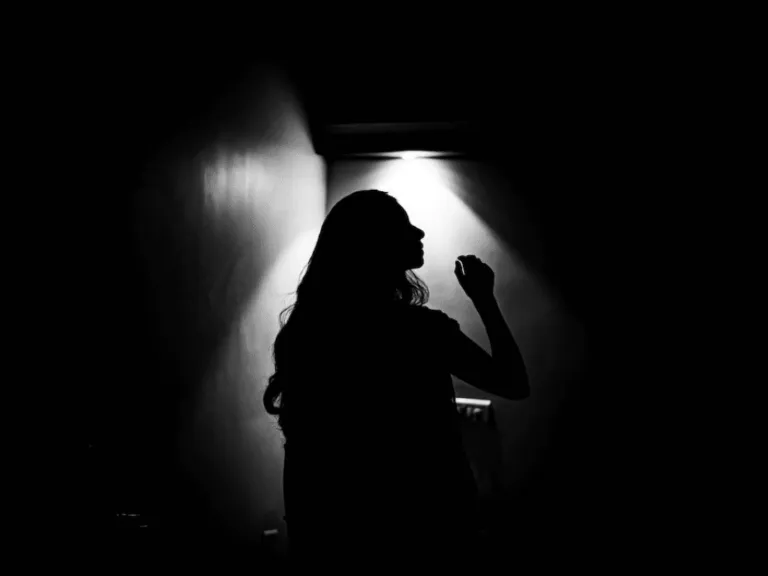
Creating depth is a key goal when designing a scene. By using shadows, you can create the illusion of depth and separate the different elements within a scene. Shadows also add drama to a scene and can be used to draw attention to certain elements. The strategic use of light and shadow in audiovisual media — including film, advertising, and music videos — is essential to building effective storytelling. This is achieved through the skillful use of flags, reflectors, diffusers, and other related equipment.
7. Using Color Gels to Set the Mood
Color gels can be used to set the mood in audiovisual media. By attaching color gels to lights, it’s possible to create warm or cool tones that convey different emotions. For example, a red gel can be used to create a sense of intensity, while a blue gel can be used to create a more relaxing atmosphere. Using color gels alongside other lighting equipment can help evoke emotion effectively without relying too heavily on dialogue or script.
8. Enhancing Lighting with Digital Effects
To strengthen the impact of lighting in audiovisual media, digital effects can be used. These effects can enhance the mood and atmosphere of a scene, creating a greater sense of realism and engagement with the audience. Digital effects can also be used to simulate natural lighting, such as moonlight, sunlight, or even a storm. They can further be used to create lighting transitions and add textural elements for dramatic effect. Used creatively, digital effects can heighten a scene’s lighting, helping to build effective storytelling and captivate the audience.
In conclusion, the strategic use of light and shadow in audiovisual media is essential to building an effective narrative. Whether for films, advertisements, or music videos, the right lighting equipment — flags, reflectors, and diffusers — can help create the desired visual effect. With the right balance of shadow and light, filmmakers, advertisers, and music video directors can help viewers connect emotionally with their stories through the power of shadow and light.