Dubbing Studio or Freelance Voice Actor: Which Should You Choose?
A professional studio or a voice actor recording at home: quality, turnaround, rights and confidentiality. A side-by-side comparison to choose the right option for your project.
You have a video to dub or a voice-over to record. You have two options: hand the project to a dubbing studio, or work directly with an independent voice actor found on an online marketplace. Both can work. It all depends on what you will do with the final file.
The short answer
- A freelance voice actor is a good fit for a short, single-voice project for internal use or social media, when budget is the main criterion.
- A dubbing studio is the right choice as soon as there are several voices, lip-sync, a TV or platform release, several languages, or confidentiality requirements.
The comparison
| Criterion | Freelance voice actor | Dubbing studio |
|---|---|---|
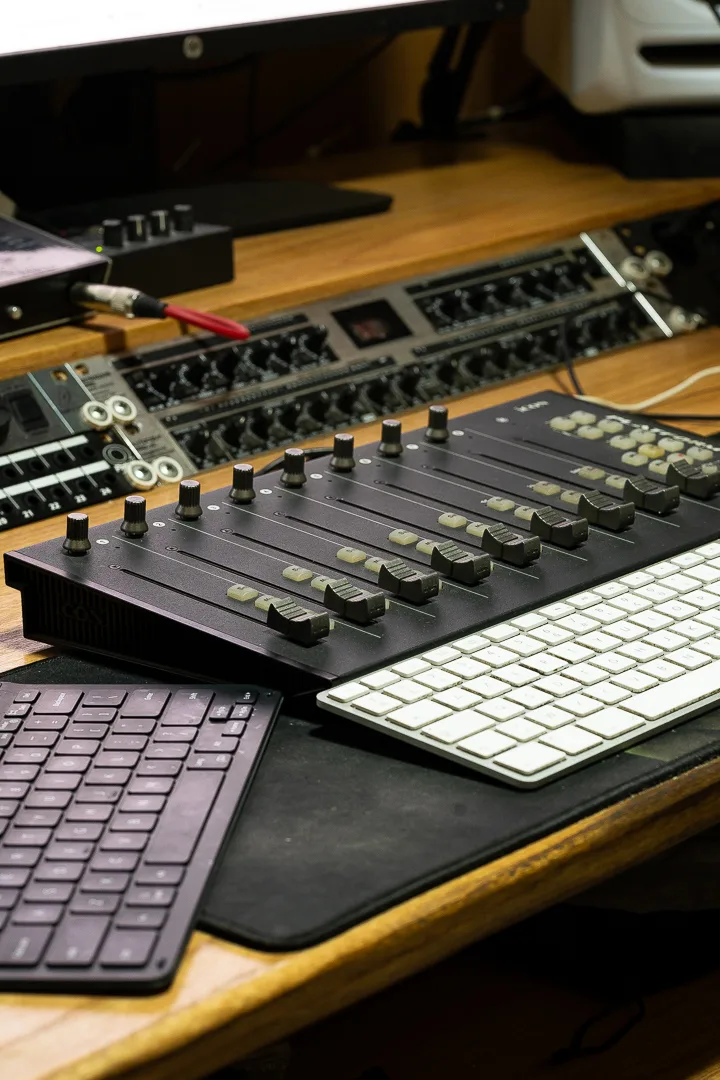
| Recording quality | Depends on personal equipment | Treated booth, consistent recording chain |
| Voice direction | Often none: you direct in writing yourself | Voice director and engineer at every session |
| Several voices | You coordinate them, uneven sound | Consistent casting and sound across all voices |
| Lip-sync | Rarely mastered | Dedicated method (adaptation, rythmo band, detection) |
| Mixing and specs | Up to you | Mixing, EBU R128 loudness, platform-compliant deliverables |
| Turnaround | Fast for a single file | Fast and reliable on large volumes |
| Rights and contract | Negotiated case by case | Rights transfer and NDA agreed in writing |
| Point of contact | One per actor | One for the whole project |
When a freelancer is enough
For a 60-second presentation video, an internal tutorial or a social media post, a good, well-equipped independent voice actor can deliver a very decent result. Listen to their demos with headphones, ask for a test on an excerpt of your script, and check that they deliver a clean file, with no hiss or room echo.
When you need a studio
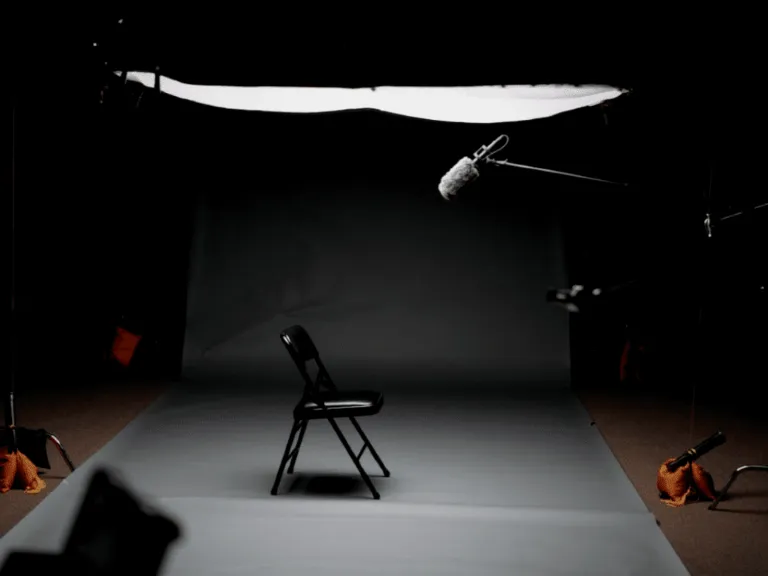
Dubbing fiction. Dubbing a film, a series or an animation is not just having someone read a translation. The script must be adapted to the length of each line and to lip movements, roles must be cast, each actor must be directed on the intent of the scene, and the voices must be mixed with the music and effects. It is a team effort that only a studio can run end to end.
TV or platform release. Broadcasters and streaming platforms impose precise specifications: loudness levels, file formats, international version, delivery reports. A file rejected at technical QC costs more than the price difference between a freelancer and a studio.
Multilingual projects. Producing the French version of the same campaign from several source languages with different freelancers gives different results. A studio keeps the same direction, the same sound and the same schedule across every version.
Confidentiality. An unreleased film, an embargoed campaign or sensitive internal content should not travel between several providers. A studio puts confidentiality in the contract and controls access to the files.
The real cost
A freelancer’s listed rate is often lower. But you have to add your coordination time, retakes if the recording is not right, mixing, and the risk of a non-compliant file. On a broadcast project, the studio is often the cheaper option once everything is counted. To compare fairly, ask for quotes that include casting, direction, mixing and delivery.
In short
Choose a freelance voice actor for a short, single-voice file with no broadcast stakes. Choose a dubbing studio for fiction, lip-sync, TV or platform releases, multilingual work and confidential content.
At dB PROD·FACTORY, in Casablanca since 2016, we handle both kinds of projects: a single-voice spot as well as a series of several dozen episodes. Request a quote and get an answer within 24 business hours.